2 → 90
mobile subscriptions per 100 people, Sub-Saharan Africa, 2000–2023
Fixed lines never passed two per hundred. Mobile built its own network, each tower its own power.
What wireless did for the call, energy hubs do for the harvest.
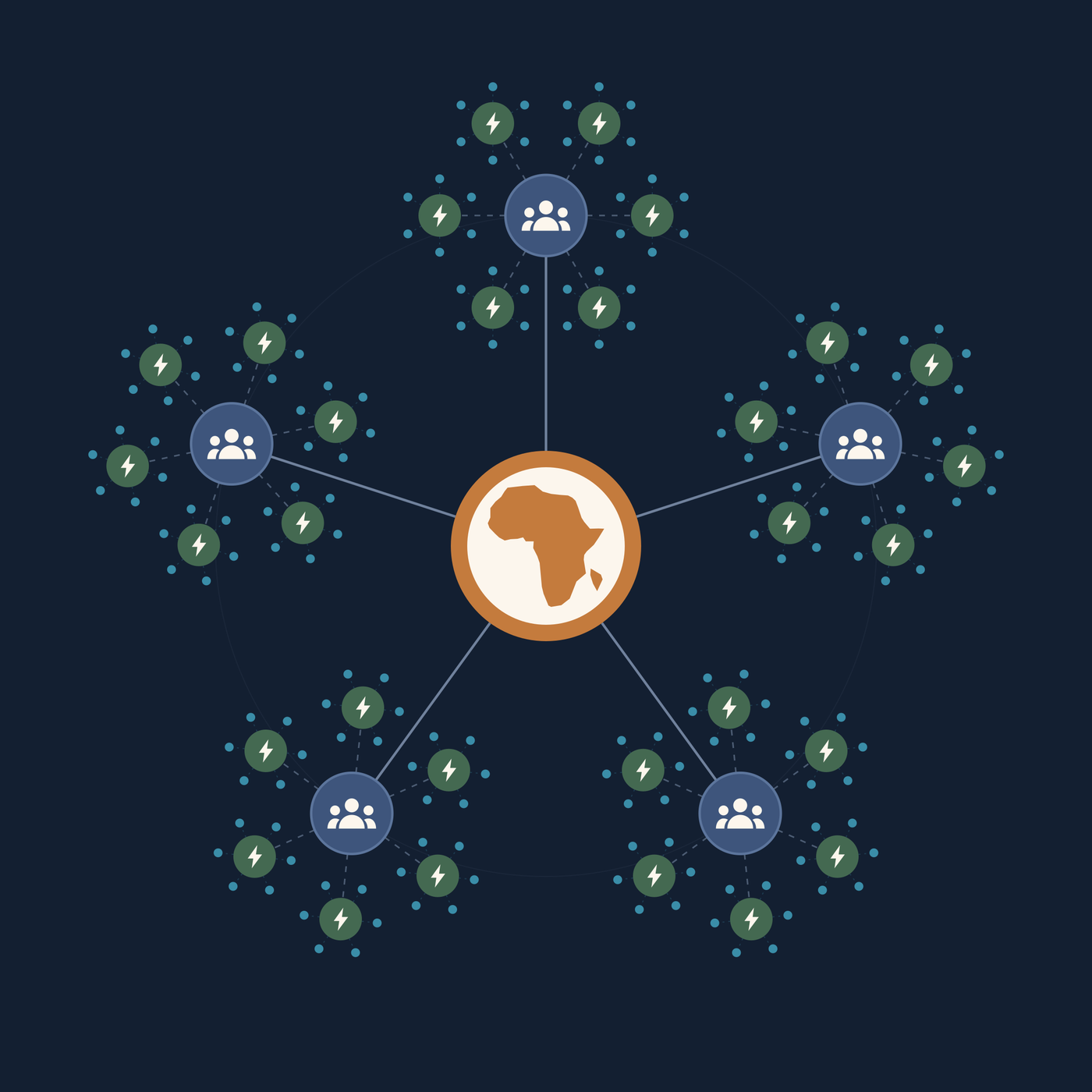
Solar-powered hubs where the harvest is gathered: milling, cold storage, irrigation, e-mobility, clean cooking, connectivity and a banking counter on one site, paid for by the services it sells and run by an operator that maintains it. Deployed country by country with member institutions of the African Agribusiness Incubators Network.
Explore a hub Credit at the hub
Sow power, reap produce — and produce pays for power.
Each hub carries the equipment its district needs and sells each service at a price per use. It earns from the first day of operation; electricity is an input, not the product. Select a module to see what it does.
Select a module
Milling, pressing, drying, packing — the first service rural households pay for.
Read moreWalk-in cold rooms that turn a perishable harvest into a sellable one.
Read moreSolar pumping, filtration and low-lift irrigation as a community service.
Read moreSold, financed and serviced at the hub, for the life of the product.
Read moreHub-charged two- and three-wheelers: produce out, residues back.
Read moreResidues in; briquettes, biogas and organic fertilizer out.
Read moreSatellite connectivity, accredited courses, train-the-trainers.
Read moreRemote consultation, vaccine-grade refrigeration, vision screening and glasses.
Read morePayments, savings and credit where the district already comes to work.
Read moreCooperatives, agri-SMEs and youth- and women-led businesses built on hub services.
Read moreDistribution follows measured demand and payment discipline.
Read moreEach unit is sized to its most demanding month and grows in standard blocks as demand is measured. kWp is kilowatts of peak solar capacity.
Mobile telephony reached rural Africa without waiting for the grid. The hub repeats each of the conditions that made it work.
2 → 90
mobile subscriptions per 100 people, Sub-Saharan Africa, 2000–2023
Fixed lines never passed two per hundred. Mobile built its own network, each tower its own power.
145,000
off-grid tower sites in Africa, running on their own power
Diesel, then solar hybrids: proven demand paid for each site's power where the grid was absent or weak.
US$1.4 trillion
moved by mobile money in Sub-Saharan Africa in 2025
Small, frequent prepaid payments through village agents created transaction records; those records now support lending.
| Telecom, 2000 to today | Agri-value energy hubs | |
|---|---|---|
| The demand | To talk and to pay — already there. | To store, process and sell the harvest — already there; the hub adds value to what farmers already grow. |
| The unit | The tower: one design, repeated by the thousand. | The hub: one design at any size, from a market cold store to an anchor hub, repeated cluster by cluster. |
| The power | Its own — diesel, then solar hybrids; the grid when it arrives. | Its own — solar and storage; no wait for the grid, and built to connect when it arrives. |
| The payment | Prepaid, small and frequent, through agents in every village. | Per service used — per kilogram milled, crate stored, liter chilled — through agents and points of sale. |
| The overhead | Towers, networks and maintenance shared across thousands of sites. | Engineering, procurement, spares, training and reporting shared across the network, not carried site by site. |
| The record | Airtime and mobile-money histories became credit. | Records of production, energy use and payments, shared with consent, support credit. |
Sources: World Bank, World Development Indicators; GSMA, Tower Power Africa (2014); GSMA, State of the Industry Report on Mobile Money (2026).
A hub goes where produce is already brought together, where part of it is lost, and where farmers and traders already pay for that loss in fuel or spoilage. The service costs less than the loss it prevents.
≈30%
of a tomato crate's price lost between dawn and mid-afternoon
At the Foumbot market in Cameroon, traders without cold storage sell at the afternoon price. Two solar cold rooms let them hold produce overnight and sell at the morning price.
≈21%
of Uganda's milk lost after milking
Most of the loss is at collection and bulking, where many centers chill on diesel. Solar chilling at the collection point, priced per liter, is designed to cost less than diesel.
Day one
revenue from the first service sold
Milling, drying, chilling and cold storage pay from commissioning. Jobs follow in processing, transport, sales and servicing, and farmers keep more of what they grow.
Sources: Ngapgue, Producteurs de tomate de la rive gauche du Noun (2021), prices observed at Foumbot, May 2018; International Labour Organization and International Trade Centre, market systems analysis of Uganda's dairy sector (2025).
Every town starts with the same basic offering and is planned through to households. Added funding sets the speed, not the direction.
Revenue from day one
A hub where the trade is — processing, cold storage, charging, water and points of sale — selling services from commissioning, with one line to the first anchor customers where authorized.
Commercial customers
Metered, prepaid connections for markets, workshops, processors and cooperatives on the same plant, under the regulator's authorization.
Planned in every town
Household connections across the town; results-based finance, partner programs and public network investment added where available.
Acceleration, at any stage. Concessional facilities, results-based finance, donor programs and public programs where the government so decides bring the next phase, or the next town, forward.
Direct supply, beyond the town. Agro-industries, telecom towers and health facilities away from a hub, served under direct contracts where the regulatory framework allows.
One town proves the template on a published record of utilization, collections and maintenance.
An anchor with two or three hubs and light spokes, so engineering, logistics and training move once.
Procurement aggregated per wave; each wave opens when the previous one meets its gates, in step with the national energy compact.
No town waits for another: each hub, phase and cluster is financed and built on its own, and a hub keeps its customers if the grid or another operator arrives.
Indicatively, an initial hub costs about USD 0.5–1 million and distribution across a town about USD 2–3 million, while a first market unit costs a fraction of that. These are early estimates from the first country designs; each site is costed on its own crops, volumes, logistics and duties, and the figures will move as designs are confirmed.
Agriculture, nutrition, health, skills and energy-access programs reach the districts through the hubs instead of each building its own presence. Each ministry and partner keeps its mandate and its budget.
The base
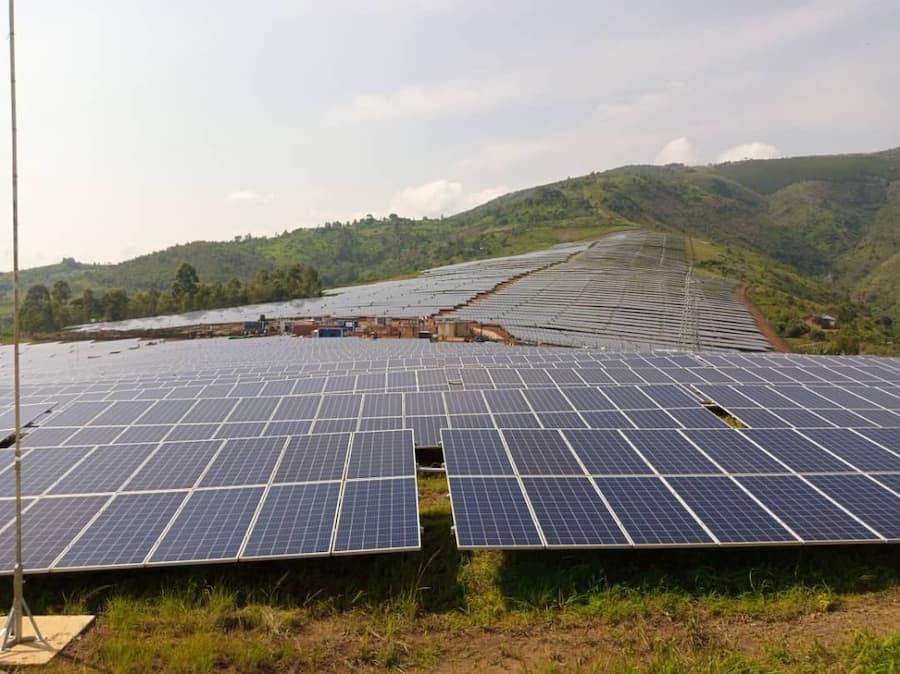
The team behind PURE Power Africa developed, and continues to manage, Burundi's first utility-scale solar plant — 7.5 MW at Mubuga, Gitega province, in operation since 2021 — and was first to market in renewable energy in several African countries. The hubs bring that engineering, procurement and operating discipline to the last mile.
Women first
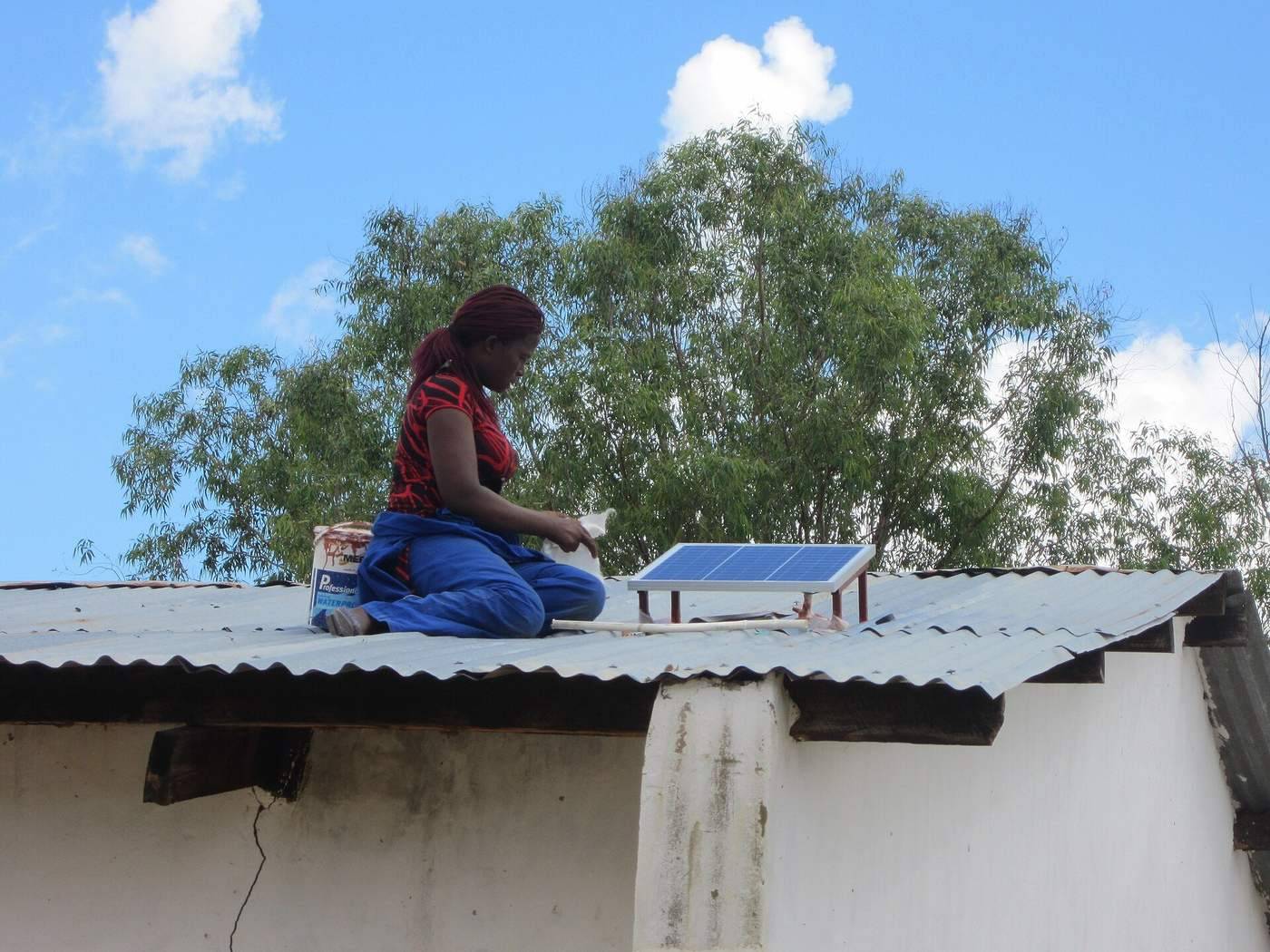
Women come first in the platform's partnerships in Burundi: for hub management, for technical training in operation and maintenance, and for access to credit, productive equipment, electric mobility, tele-education and tele-health.
Burundi's women's bank, the Banque d'Investissement et de Développement pour les Femmes (BIDF), signed a collaboration agreement with Gigawatt Burundi S.A.
One pilot per country, verified against published indicators, then clusters and waves.
Burundi, which chairs the African Union in 2026, holds the reference platform: ground broken with FAO, ten mini-grid sites awarded, a memorandum of understanding with the rural electrification agency, the Agence Burundaise de l'Électrification Rurale (ABER), and the national agro-energy hub program under way. The African Agribusiness Incubators Network (AAIN) and Gigawatt Burundi S.A. signed the PURE Power Africa framework memorandum of understanding at Bujumbura; country memoranda followed for Nigeria and Uganda. In the DRC, Gigawatt DRC SARL holds the licenses and concession for the Nioki pilot.
Governments are adopting national energy compacts under Mission 300, the World Bank and African Development Bank initiative to connect 300 million people in Africa by 2030. The compacts set out the reforms decentralized supply needs; the hubs are built to operate under them.
Network members, governments and funders design the program together: one pilot region, hubs sized to the district's crops, and a continental base that carries engineering, procurement, warranty management and training. The institutions and their mandates exist; the platform connects them and carries the functions none of them should build alone.
What we ask to start: a focal point, a pilot region and access to the programs already financed there.