Management and jobs
Women come first for the management of the hubs, for the points of sale and service counters, and for the agent networks that reach the villages.
Women & inclusion
Women come first in the platform's partnerships in Burundi — in how the hubs are organized, staffed and used — for women farmers, their cooperatives and their enterprises.
Women come first for the management of the hubs, for the points of sale and service counters, and for the agent networks that reach the villages.
Solar-home-system installation, plant and mini-grid operation and maintenance, engineering, hub administration — cohorts directed to women, with placement in current and forthcoming construction and operations.
Priority access to credit through the hub counter, to processing and irrigation equipment, to electric mobility for women's cooperatives, and to tele-education and tele-health.
Targets are set and monitored jointly: women in hub management and technical roles, women's cooperatives banked, loans to women-led enterprises, women trained and certified, jobs held by women — published with the platform's indicator set.
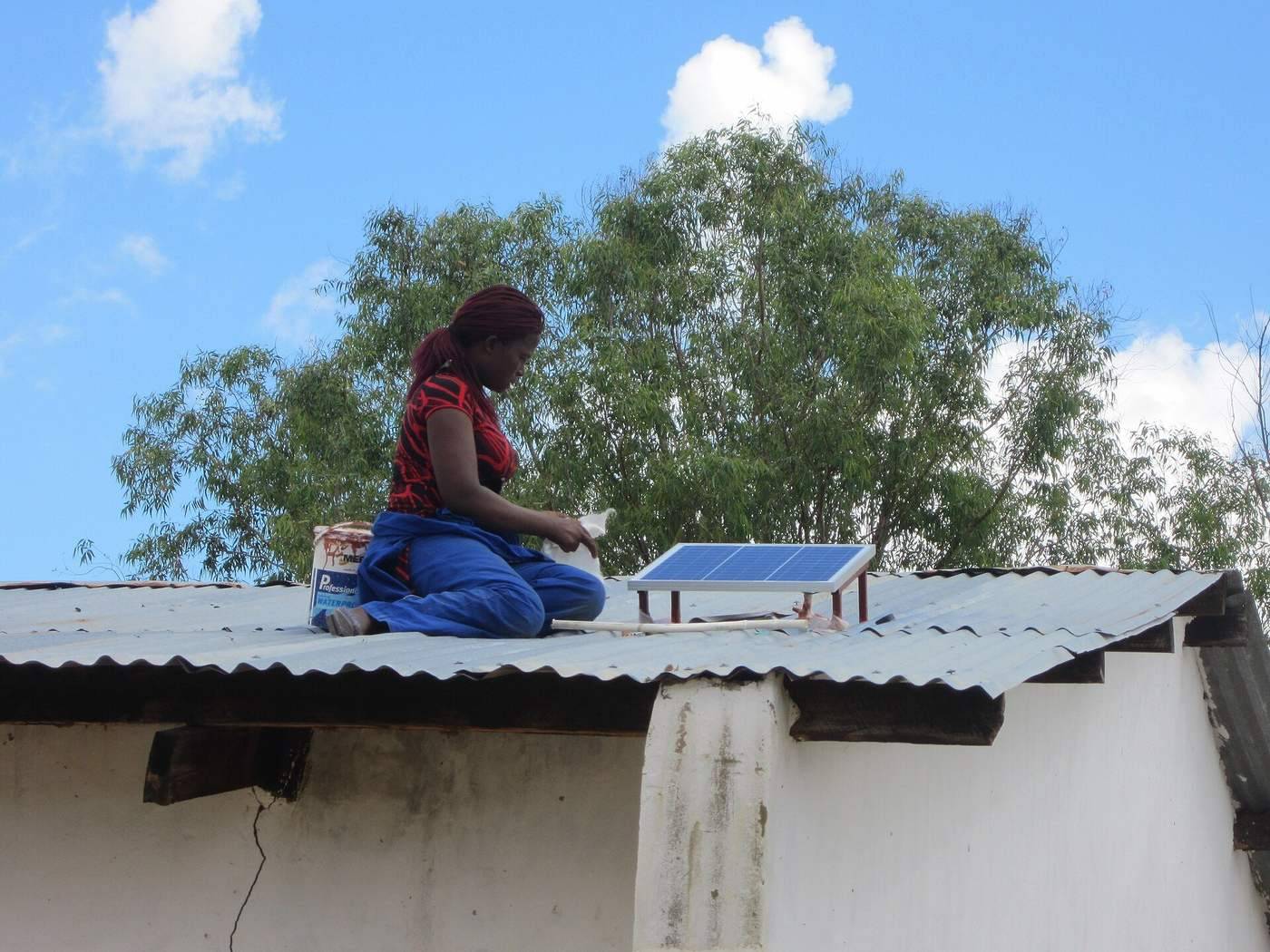

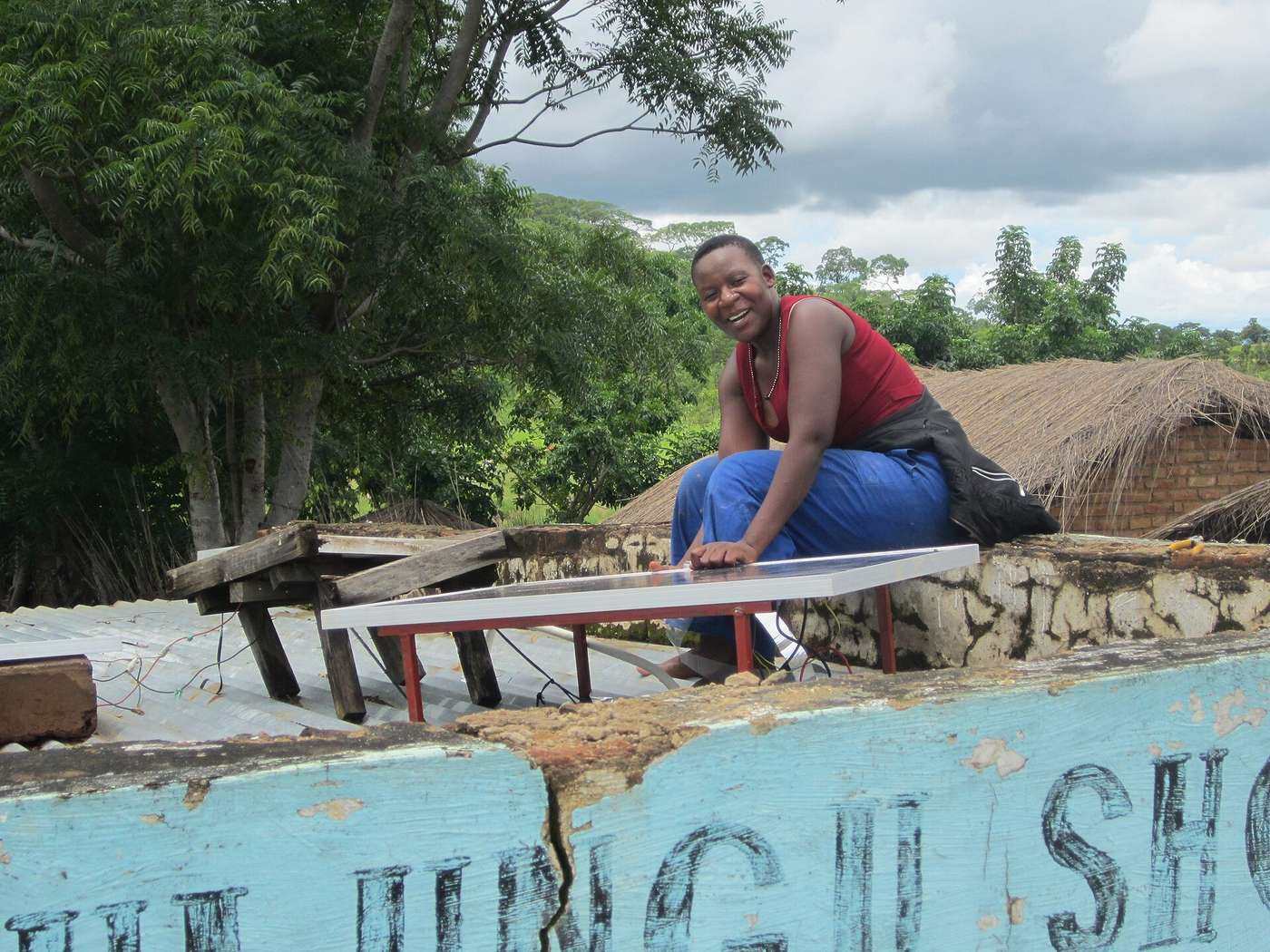
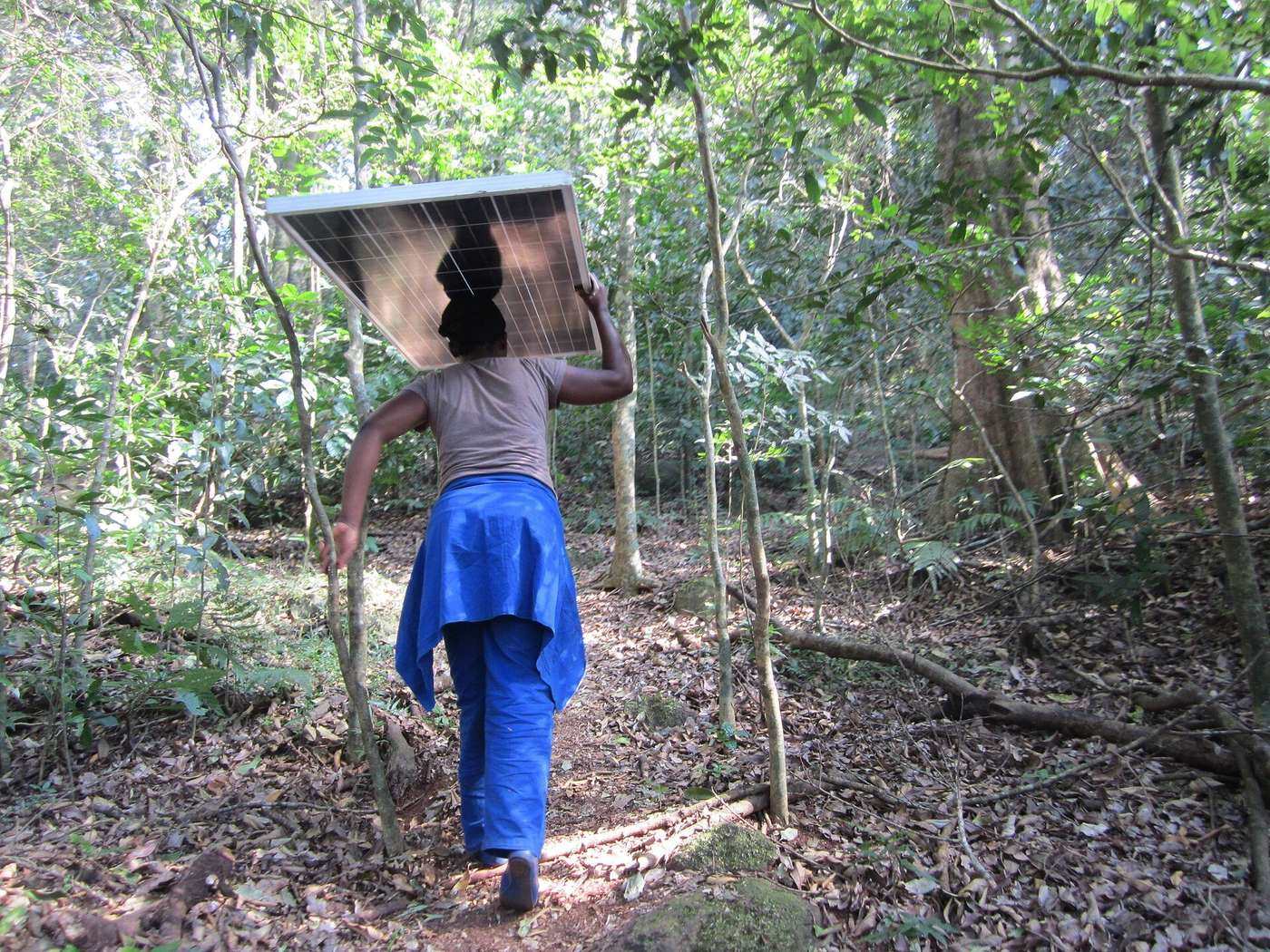
Photographs: women solar technicians at work in Malawi, 2016–2017. The platform's own cohorts are photographed as they train. Image credits.
Collaboration agreement signed · Gitega
Banque d'Investissement et de Développement pour les Femmes (BIDF). BIDF is Burundi's public investment and development bank for women, headquartered in Gitega. BIDF and Gigawatt Burundi S.A. have signed a collaboration agreement under which BIDF designates Gigawatt Burundi as its technical partner for two activities, over an indicative twenty-four months:
Segmenting and profiling women-owned and women-led enterprises in the energy value chains, with unit economics by segment; eligibility and risk-assessment criteria submitted to BIDF for review under its own credit rules and procedures, separating working-capital from asset-finance needs; and a first portfolio of qualified women-led enterprises on a standard profile sheet.
Training and certification of women in the installation, operation and maintenance of productive energy equipment and in the management and administration of hubs — at partner technical training centers and remotely from the hubs — with support toward employment, including within the hubs and the activities of PURE Power Burundi.
The agreement anticipates broader cooperation through separate instruments. Two axes are under discussion:
Women farmers' cooperatives store, process and sell their harvests through the hub, under collective bargaining they lead. The cooperative can pledge its stored produce to the bank; proceeds are paid into the bank, loans are repaid at source, and production and payment records are shared with consent for credit assessment. The hub stores, records and reports: it is not a party to the credit and does not intervene in the cooperatives' internal affairs. BIDF service points run by women agents are proposed at every hub. How credit at the hub works.
The Rusi polytechnic campus hosts the program's national training academy and technical base. Cohorts of technicians and managers are directed jointly toward women, with placement in the platform's construction and operations. A first women's cohort is proposed for the operation-and-maintenance training at the Mubuga plant in the last quarter of 2026.
Convention de collaboration between BIDF and Gigawatt Burundi S.A., signed at Gitega; the French text prevails. The agreement does not by itself create any financial obligation, and confers no exclusivity, on either party.
The hub clinic is built around maternal and child health — vaccine refrigeration, antenatal ultrasound, referral through tele-health — and the points of sale put clean cooking and home solar in the hands of the household member who cooks and pays. At the credit counter, women's cooperatives are the counterpart of first resort.