600M
people still without electricity
The overwhelming majority live in rural, agricultural communities beyond the grid, where single-site economics break down.
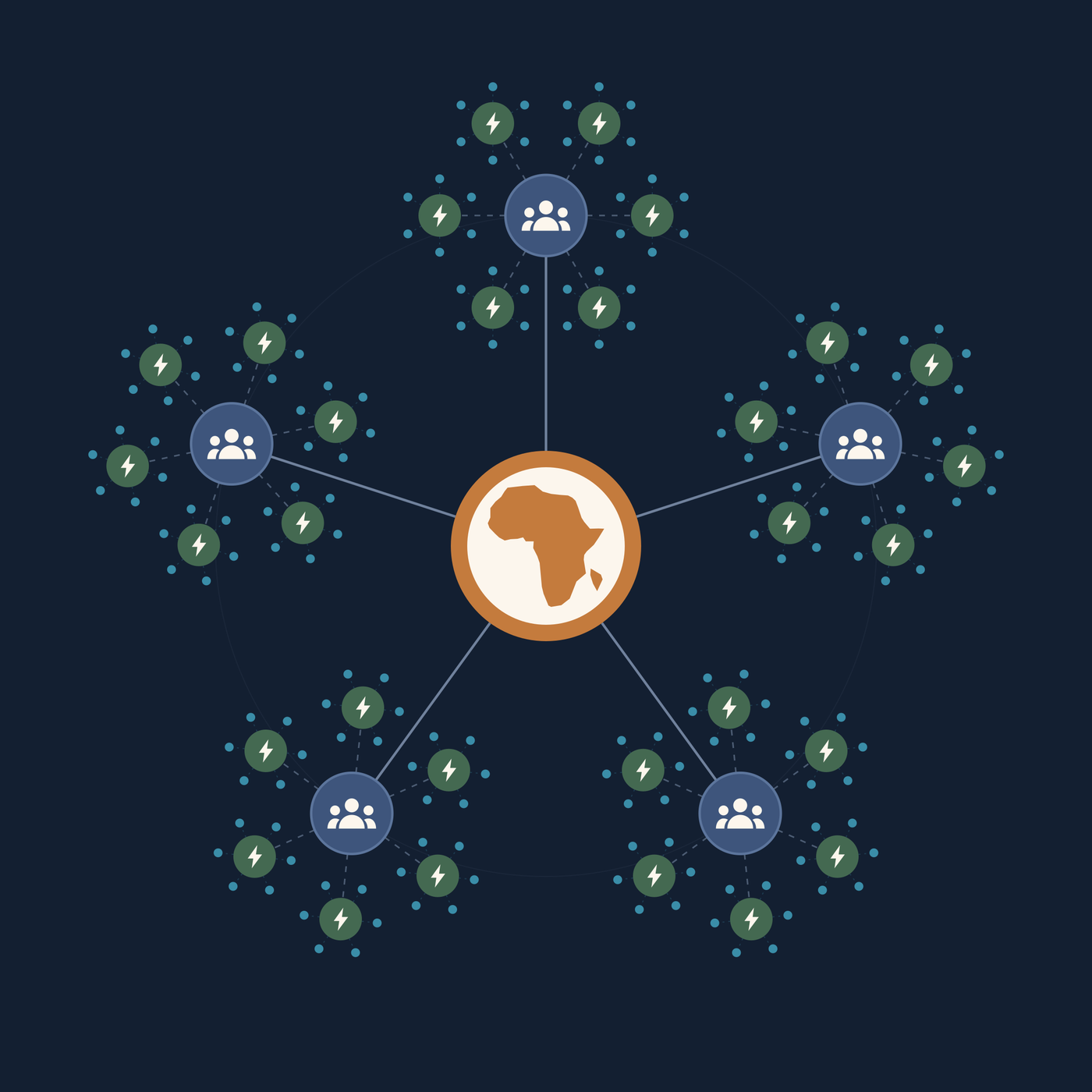
Solar-powered rural hubs built around the agricultural economy of their district, deployed country by country through the African Agribusiness Incubators Network. Milling, cold storage, irrigation, e-mobility, clean cooking, connectivity and a banking counter — on one powered site, run by one operator that stays.
Explore a hub Credit at the hub
Sow power, reap produce — and produce pays for power.
600M
people still without electricity
The overwhelming majority live in rural, agricultural communities beyond the grid, where single-site economics break down.
A thousand programs
single-purpose, one by one
Solar kits, cookstoves, water, health, education — separate projects, each with its own overhead, most ending at handover.
Overhead & aftercare
what actually decides outcomes
Fixed overhead over small loads is what kills rural energy; decades-long aftercare decides whether systems run.
Generation is proven and capital is mobilizing at record scale. What breaks down is deployment — organization, management and logistics at the last mile. The hub is where productive demand is built before the wires arrive.
Cooperatives bring produce to a powered site for milling, pressing, cold storage and aggregation. The added value gives them collective bargaining power with buyers. The hub's records of production, energy use and payments give banks and microfinance partners something to lend against, with producers' consent and repayment following agricultural cash flows. The same records make each hub measurable, replicable and, over time, financeable on its own performance. Electricity is sold as a service inside that loop, and mini-grids follow once anchor demand is proven — designed for the grid's arrival.
It took: clear demand. A unit that repeats. Its own power. No waiting for the grid.
2 → 90
mobile subscriptions per 100 people, Sub-Saharan Africa, 2000–2023
Fixed lines never passed two per hundred. Mobile built its own network, each tower its own power.
145,000
off-grid tower sites in Africa, running on their own power
Diesel, then solar hybrids: proven demand paid for each site's power where the grid was absent or weak.
US$1.4 trillion
moved by mobile money in Sub-Saharan Africa in 2025
Prepaid, small, frequent, via village agents: the poorest customers built the rail, the rail built the record, the record built credit.
| Telecom, 2000 to today | Agri-value energy hubs, from 2026 | |
|---|---|---|
| The demand | To talk and to pay — already there; no program had to create it. | To eat and to sell — already there; the hub adds the value, income follows. |
| The unit | The tower: one design, repeated by the thousand. | The hub: one design, repeated by the cluster, wave by wave. |
| The power | Its own — diesel, then solar hybrids; the grid when it arrives. | Its own — solar and storage, then waste-to-energy; grid-ready when it arrives. |
| The payment | Prepaid, small and frequent, through agents in every village. | Pay as you use; produce pays for power; agents and points of sale in every village. |
| The record | Airtime and mobile-money histories became credit. | Hub records of production, energy and payments become credit — with consent. |
Sources: World Bank, World Development Indicators; GSMA, Tower Power Africa (2014); GSMA, State of the Industry Report on Mobile Money (2026).
Replicate the wheel, not the wheelwright.
Each hub is a catalyst, not a job pool. It provides the power, equipment, connectivity, logistics and long-term operating anchor; specialist institutions deliver what they were built to deliver — agriculture, health, education, finance — under mandates and budgets they already hold.
Select a module
Milling, pressing, drying, packing — the first service rural households pay for.
Read moreWalk-in cold rooms that turn a perishable harvest into a sellable one.
Read moreSolar pumping, filtration and low-lift irrigation as a community service.
Read moreSold, financed and serviced at the hub, for the life of the product.
Read moreHub-charged two- and three-wheelers: produce out, residues back.
Read moreResidues in; briquettes, biogas and organic fertilizer out.
Read moreSatellite connectivity, accredited courses, train-the-trainers.
Read moreRemote consultation, vaccine-grade refrigeration, vision screening and glasses.
Read morePayments, savings and credit where the district already comes to work.
Read moreCooperatives, agri-SMEs and youth- and women-led businesses built on hub services.
Read moreDistribution follows measured demand and payment discipline.
Read moreA continental base, country wheels, permanent hubs and the last mile — one system, not a thousand projects.
Central administration, the train-the-trainers academy, procurement, warranty and repair, financing and accounting support. Built once, used everywhere.
A country headquarters with the network member, plus anchor hubs for generation, waste-to-energy aggregation, processing and customer service.
The deepest fixed tier — sited where the population is, where power to produce is most needed.
Field agents, electric two- and three-wheelers ringing each hub, extending its reach to the hardest-to-reach households and farms.
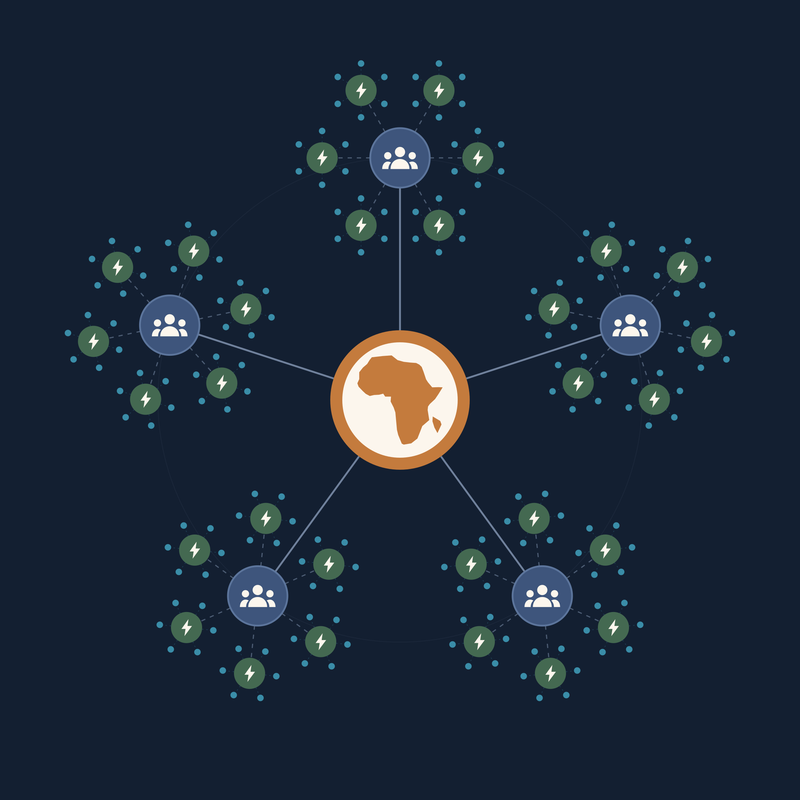
Shared logistics, administration, aftercare and data — overhead absorbed across the network, not per project.
The base
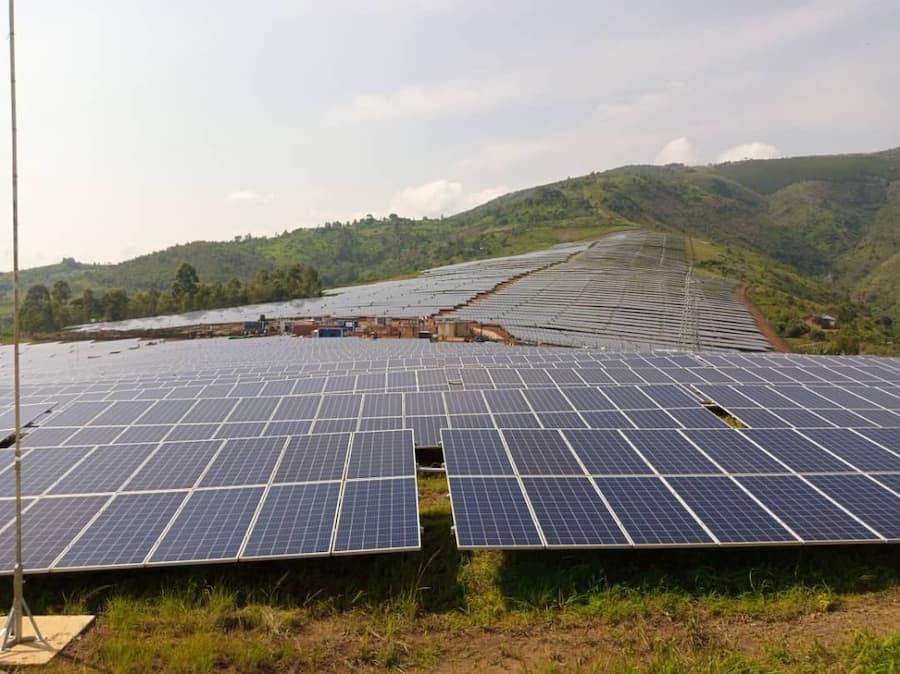
The team behind PURE Power Africa developed and operates Burundi's first utility-scale solar plant — 7.5 MW at Mubuga, Gitega province, in service since 2021 — and was first to market in renewable energy in several African countries. The hubs bring that engineering, procurement and operating discipline to the last mile.
Women first
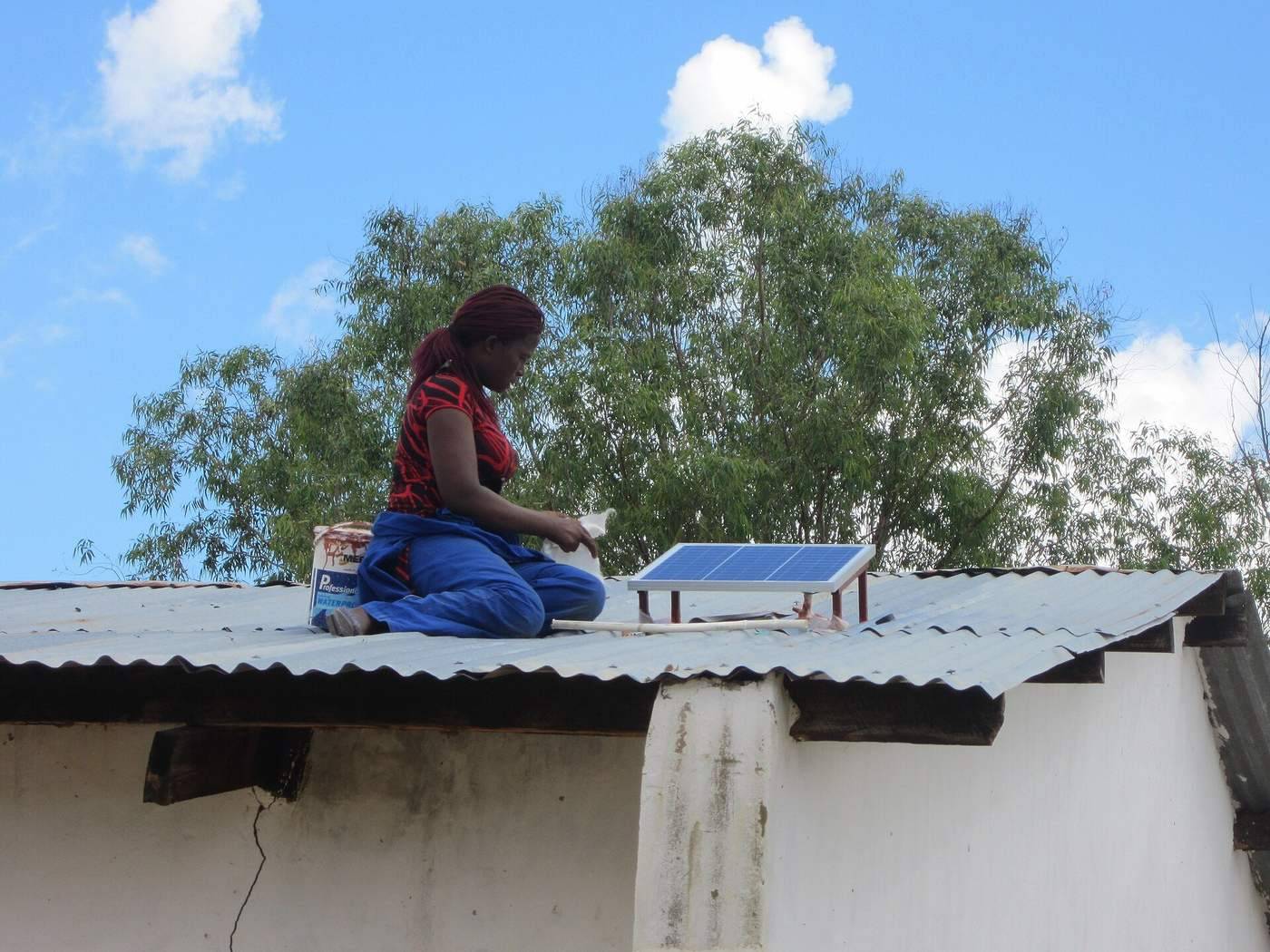
Women's economic empowerment is the governing principle of the platform's partnerships in Burundi, not one of their components: women come first for the management of the hubs, for technical training and operation and maintenance, and for access to credit, productive equipment, electric mobility, tele-education and tele-health.
Burundi's women's bank, the Banque d'Investissement et de Développement pour les Femmes (BIDF), signed a collaboration agreement with Gigawatt Burundi S.A. on 23 September 2026.
One pilot region per country, verified against published indicators, then scaled. Nothing scales on enthusiasm.
Burundi chairs the African Union in 2026 and holds the reference platform: ground broken, sites under concession, the national agro-energy hub program under way. The African Agribusiness Incubators Network — technical partner of the African Union Commission for agribusiness incubation — signed the framework agreement in August 2026; Uganda and Nigeria signed the first country agreements. Further countries are being prepared through the network.
Led by a team first to market in renewable energy in several African countries — and that keeps organization, management and logistics at the center of everything it builds.
PURE Power Africa invites network members, governments and funders to design a country program together: one pilot region, hubs sized to the district's crops, and a continental base carrying engineering, procurement, warranty management and training. The institutions and mandates exist; the platform connects them and carries what none should build alone.
The ask of a country or a funder: a focal point, a pilot region, a seat at the next cohort session.
Nothing to invent, everything to connect.